AI Art and Digital Collectibles in the Crypto Era
How AI Art Is Revolutionizing Digital Collectibles in the Crypto Era
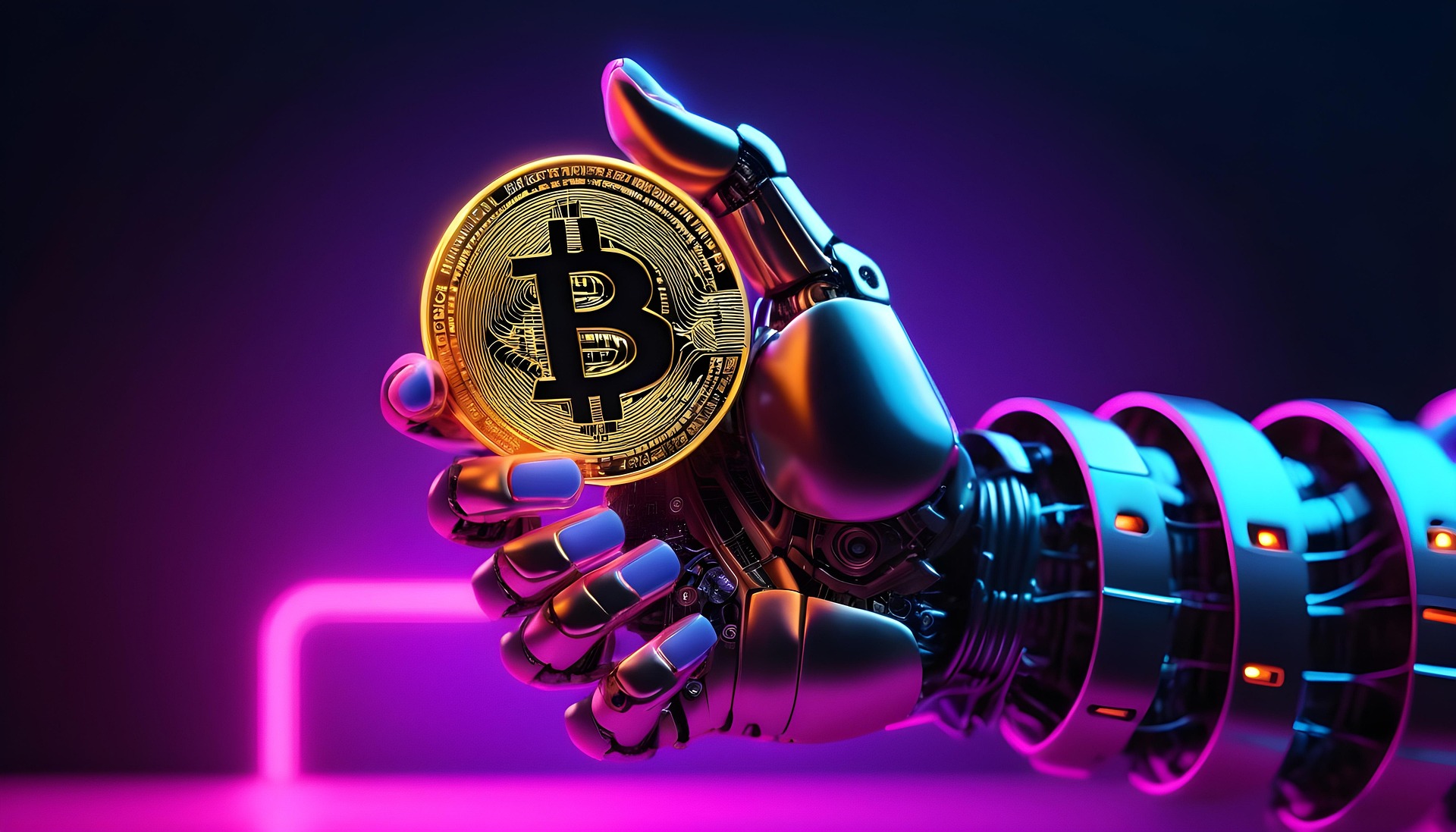
Digital assets have come a long way from the days when NFTs were mostly a punchline at dinner parties. AI-generated art is now pushing that evolution further, and honestly, it's happening faster than most people expected. Machine-made creativity paired with blockchain infrastructure used to feel like a passing gimmick, but these days it's starting to look like it might actually stick around.
Anyone who's been paying attention to where tech and creativity collide has watched AI tools graduate from novelty status to something that's genuinely reshaping how we think about ownership and value. Collectors tracking bitcoin to USD already know the infrastructure underlying these transactions has matured alongside the art market. What's emerging is a category of collectibles that manages to be both accessible to newcomers and still scarce enough to matter to serious collectors.
Christie's AI Auction Marks a Turning Point
Back in March 2025, Christie's held its first auction dedicated entirely to AI art, a sale they called "Augmented Intelligence." The results were hard to ignore. The sale brought in $728,784 across more than 30 lots, with 28 pieces finding buyers, several blowing past their estimates. The standout piece was Refik Anadol's Machine Hallucinations - ISS Dreams – A, which sold for $277,200.
What's maybe more telling than the sale total is who showed up. Christie's own numbers showed 37 percent of registrants had never bid with the house before. Nearly half the bidders were Millennials or Gen Z. Nicole Sales Giles, the house's VP and Director of Digital Art Sales, talked about wanting to spotlight "brilliant creative voices pushing the boundaries of technology and art," and noted the "overwhelming public support" that followed the sale.
The auction mixed early computer art pioneers with newer generative work, which says a lot on its own. When an institution like Christie's puts AI pieces on the same stage as historical works, that's not a small gesture. It's a signal. Moments like this matter too, because they hint at where digital value is heading next.
Numbers Reveal Explosive Growth in Digital Collectibles
The data backs up what's happening on the auction floor. Digital Disruption in Art: A Comprehensive Analysis of AI and NFT Market Dynamics (2024) tracked NFT transaction volumes climbing from 58.6 million in 2021 to 101 million by 2022. Over that same stretch, the broader NFT market ballooned from a few million dollars in 2019 to more than $13 billion by 2022. That's not gradual growth. That's a market finding its footing in real time.
The same research pointed to strong statistical ties between AI tools, blockchain systems and NFT activity, with projections suggesting continued growth into the tens of billions by the late 2020s. Interestingly, a kind of natural sorting has taken shape in the market. Human-made pieces often carry a premium, sometimes 300 to 500 percent higher than AI-generated counterparts. AI art, meanwhile, pulls in its own audience, largely because it's easy to access and there's still something novel about the whole process.
More recent reporting from 2026 adds another layer. Coverage of the Art Basel and UBS Art Market Report noted that digital art's share of total sales nearly tripled between 2024 and 2025. Over half of surveyed fine art collectors bought digital works that year. That's a meaningful shift, not just a rounding error.
What's Actually Driving This Shift
A few things are working together here, reinforcing each other rather than acting alone.
Institutional backing helps, obviously. When major auction houses and museums treat AI art seriously, it lends the whole category a kind of legitimacy that's hard to manufacture otherwise. Younger collectors, comfortable with tech in a way older generations sometimes aren't, keep entering the space in growing numbers. Generative tools have also lowered the barrier to entry dramatically, letting independent artists create work that would've required a studio and a team a decade ago.
Then there's blockchain itself, quietly doing the heavy lifting behind the scenes. It handles the scarcity and provenance side of things, plus gives collectors a way to actually trade these pieces, something that just wasn't possible before. And AI's iterative nature opens up a different kind of creative exploration, one that traditional mediums were never really built to support. Put all that together and you get a kind of feedback loop, creators experimenting more, collectors engaging more deeply and the cycle repeating.
Crypto Infrastructure Laid the Groundwork
None of this would be possible without the plumbing crypto markets built years ago. Generative art projects, in particular, showed real resilience even when the broader NFT market cooled off. Collector interest stuck around for these projects even as general trading volumes dropped elsewhere.
The lessons from crypto's volatile years apply directly to AI art now. Some pieces trade actively on secondary markets, flipping hands the way you'd expect in any speculative asset class. Others just sit in wallets, held for the long haul or valued because an institution took notice. The technology underneath all of it keeps shifting too, which is either exciting or exhausting, depending on how you look at it.
Economic Forces and Creator Opportunities
Here's the thing worth paying attention to. Broader generative AI adoption is positioned to contribute $1.7 trillion to $4.4 trillion in annual global productivity gains, a range highlighted in a 2025 IEEE Computer Society analysis drawing on major think-tank estimates, with meaningful portions flowing into creative and digital sectors. Consumer insights also point to something interesting: people tend to connect more with AI-generated work when it comes from an independent artist rather than some purely automated corporate system.
This preference supports platforms that prioritize authentic creator voices and curated experiences. Those looking to explore the process firsthand can check dedicated artist onboarding resources that walk through the basics of turning ideas into collectible pieces.
What 2026 Data Suggests About the Road Ahead
Questions about training data, originality and how you even value this stuff properly aren't going away anytime soon. Fair enough, they're legitimate concerns. But the forward-looking numbers still paint an optimistic picture. Recent reporting on the emerging AI art market reveals a space that’s still somewhat fragmented, yet clearly gaining real traction even amid the ongoing debates.
The digital artwork industry is expected to expand from around $6.82 billion in 2026 to about $21 billion by 2033, according to Coherent Market Insights' 2026 digital artwork market outlook. This growth will be fueled by blockchain-based ownership models, immersive technology and ongoing AI development.
What all this really points to is a genuine convergence, creative capability meeting ownership technology in a way that feels less experimental with each passing year. Collectors and creators are both figuring out how to navigate a space where the old rules of art and the new rules of digital ownership keep bumping into each other, sometimes awkwardly, sometimes productively.
For collectors browsing current collections and creators looking to enter this ecosystem, there is significant activity worth following right now.